

-
Understanding Kettle and Toaster Sets: A Comprehensive Overview
 Tower Sonar Kettle & 2 Slice Toaster Kitchen Set (Black)£63.99VIEW
 Tower Sonar Kettle & 2 Slice Toaster Kitchen Set (White)£63.99VIEW
- The Core Components of Kettle and Toaster Sets: Features and Functions
- Types of Kettle and Toaster Sets: Choosing the Right Style for Your Kitchen
- Power, Capacity, and Materials: Key Specifications to Consider
- Advanced Features: Smart Technology and Customisation Options
- Kettle and Toaster Set Configurations: Matching Your Kitchen Needs
- Safety Considerations for Kettle and Toaster Sets: Ensuring a Secure Kitchen
- Maintenance and Cleaning: Extending the Lifespan of Your Set
- Top Kettle and Toaster Set Recommendations: Brands and Models
- Frequently Asked Questions
Understanding Kettle and Toaster Sets: A Comprehensive Overview
Kettle and toaster sets represent a cornerstone of many kitchens, offering a convenient and often aesthetically pleasing pairing for breakfast routines. These sets have evolved considerably, moving beyond basic functionality to incorporate smart features and diverse design options. Understanding the various components, materials, and capabilities available is crucial for making an informed purchase. This section delves into the intricacies of kettle and toaster sets, exploring their history, features, types, and key considerations for buyers.
The origins of the modern kettle and toaster as paired appliances can be traced back to the early 20th century. As electricity became more commonplace in homes, manufacturers began to offer integrated solutions for common breakfast needs. Initially, these sets were primarily functional, with a focus on basic heating capabilities. Today, however, the market offers a wide spectrum of options, catering to different lifestyles and preferences.
Key Components and Features
A typical kettle and toaster set comprises two primary appliances: the kettle and the toaster. However, variations exist in their features and functionalities.
Kettles: Kettles are available in various materials, each influencing their performance and durability. Common materials include:
- Stainless Steel: Known for its durability, resistance to corrosion, and ability to retain heat. Many models feature a removable limescale filter for cleaner water.
- Glass: Offers a clear view of the water level and boiling process. However, glass kettles can be more susceptible to chipping.
- Plastic: Generally more affordable and lightweight than metal kettles. Look for BPA-free plastic options to ensure safety.
Modern kettles often incorporate features like:
- Rapid Boil: Designed to boil water quickly, often using enhanced heating elements.
- Temperature Control: Allows users to select specific temperatures for different types of tea or coffee.
- Keep Warm Function: Maintains the water temperature for a set period.
- Automatic Shut-off: A safety feature that automatically turns off the kettle once the water has boiled.
Toasters: Toasters also offer a range of features to enhance the toasting experience.
- Number of Slots: Sets typically range from two to four slots, catering to individual or family needs.
- Browning Control: Allows users to adjust the level of toast darkness. Most toasters feature a dial or buttons to set the desired browning level.
- Defrost Function: Enables toasting of frozen bread or pastries.
- Reheat Function: Warms up already toasted bread without further browning.
- Bagel Function: Specifically designed for toasting bagels, often featuring a separate compartment and a dedicated setting.
- Cancel Button: Allows for immediate stopping of the toasting cycle.
Types of Kettle and Toaster Sets
While the basic combination remains consistent, kettle and toaster sets are available in several configurations:
- Basic Sets: These sets offer essential functionality at an affordable price point. They typically feature standard kettles and toasters with basic browning controls and automatic shut-off.
- Smart Sets: Integrating connectivity and smart features, these sets can be controlled via smartphone apps. They may offer features like voice control, scheduled heating, and personalised toasting profiles. According to a 2024 report by Statista, the smart kitchen appliance market is projected to reach $25 billion by 2028, with kettles and toasters contributing significantly to this growth.
- Premium Sets: These sets boast high-end materials, advanced features, and often stylish designs. They might include features like variable temperature control, large capacity kettles, and sleek aesthetics.
Materials and Design Considerations
Beyond functionality, the materials and design of a kettle and toaster set significantly impact its aesthetic appeal and longevity. Stainless steel and matte finishes are popular choices for a modern look, while retro designs with chrome accents offer a vintage aesthetic. Consider the overall style of your kitchen when selecting a set, ensuring it complements existing decor. The build quality, indicated by the materials used and the construction, ultimately affects the appliance's lifespan.
What to Consider When Buying
Several factors should be considered before purchasing a kettle and toaster set:
- Capacity: Determine the appropriate kettle capacity based on your household size. A larger family will benefit from a higher capacity kettle.
- Power: Check the power rating of both the kettle and toaster to ensure compatibility with your electrical outlets.
- Size and Dimensions: Measure available counter space to ensure the set will fit comfortably.
- Ease of Cleaning: Look for features like removable filters and non-stick surfaces to simplify cleaning.
- Safety Features: Automatic shut-off, boil-dry protection, and cool-touch handles are essential safety features to consider.
Conclusion
Choosing the right kettle and toaster set involves balancing functionality, features, aesthetics, and budget. By understanding the different types, materials, and considerations outlined in this overview, consumers can make an informed decision that perfectly complements their kitchen and lifestyle.
The Core Components of Kettle and Toaster Sets: Features and Functions
Kettle and toaster sets offer a convenient and often aesthetically pleasing solution for preparing hot beverages and toasted food items. Understanding the core components and their functions is key to choosing a set that best fits individual needs and kitchen layouts. This section explores the essential elements found in most kettle and toaster combinations.
The Kettle: Heating Water with Efficiency
The kettle forms one half of the set, and its primary function is to rapidly heat water. Different types of kettles exist, each with varying features to enhance performance and user experience.
Key Components and Features:
- Heating Element: This is the core of the kettle, responsible for generating heat. Most kettles utilise a concealed heating element, often located at the base, which heats the water directly. Induction kettles, increasingly popular, utilise electromagnetic fields to heat the base of the kettle, offering faster boiling times and greater energy efficiency.
- Water Level Indicator: A clear window or markings on the kettle's body allow users to easily see the water level. This is crucial for boiling only the necessary amount of water, saving energy and time. Some advanced models include a digital display for precise level indication.
- Power Base: The power base provides the electrical connection and often incorporates safety features. It typically features a cord storage area to keep the countertop tidy. Many bases also have automatic shut-off features.
- Housing Material: Kettles are constructed from various materials, including stainless steel, plastic, and glass. Stainless steel is known for its durability and resistance to corrosion, while glass allows users to see the water boiling. Plastic kettles are generally more affordable.
- Capacity: Kettle capacity varies significantly, ranging from small models suitable for one or two people (around 1 litre) to larger ones designed for families (3 litres or more). Choosing the right capacity depends on individual usage habits.
- Temperature Control: Some modern kettles offer variable temperature settings, allowing users to select the optimal temperature for different types of tea or coffee. This feature is particularly beneficial for delicate teas that can be damaged by boiling water.
- Automatic Shut-Off: A vital safety feature, automatic shut-off ensures the kettle switches off once the water has reached boiling point or if it's accidentally switched on without water.
The Toaster: Achieving Perfect Toast
The toaster complements the kettle by providing a means to toast bread, pastries, and other similar items. Toasters have evolved significantly, offering a range of features to cater to diverse preferences.
Key Components and Features:
- Heating Elements: These elements, usually located within the slots, are responsible for browning the food. The design and power of the heating elements influence toasting speed and evenness.
- Toast Slots: Typically two or four slots accommodate slices of bread or other items. Slot width can vary to accommodate different thicknesses of food.
- Browning Control: A dial or buttons allow users to select the desired level of toastiness. This controls the duration for which the heating elements are activated.
- Defrost Function: This feature allows toasting of frozen bread or pastries without drying them out. It typically extends the toasting time slightly.
- Reheat Function: The reheat function gently warms already toasted items without further browning.
- Cancel Button: Enables the user to stop the toasting process at any time.
- Crumb Tray: A removable tray at the base of the toaster collects crumbs, making cleaning easy.
- Material: Toasters are commonly made from stainless steel or plastic. Stainless steel offers a more premium look and is generally more durable.
- Specialty Functions: Some toasters include features like bagel settings (toasting the cut side and warming the other), gluten-free settings, and even the ability to toast sandwiches.
Integration and Design
Kettle and toaster sets are designed to be aesthetically cohesive, often sharing similar design elements and colour schemes. This creates a unified look for the kitchen countertop. The power base typically integrates both the kettle and toaster, reducing clutter. Consider the size of the set and whether it will fit comfortably on your available countertop space. Choosing a set with features that align with your daily routines can significantly enhance the user experience. For instance, a set with variable temperature control and a defrost function might be ideal for tea enthusiasts and those who frequently use frozen bread.
Types of Kettle and Toaster Sets: Choosing the Right Style for Your Kitchen
The market offers a diverse array of kettle and toaster sets, catering to various kitchen styles, needs, and budgets. Understanding the different types available can help consumers make an informed decision that complements their lifestyle. This section explores the popular categories of kettle and toaster sets, highlighting their features and suitability.
Traditional Sets: A Timeless Aesthetic
Traditional sets embody a classic design, often featuring chrome or stainless steel finishes and rounded forms. These sets are a popular choice for kitchens with a more conventional or retro aesthetic. Typically, they include a kettle with a standard spout and a toaster with two or four slots. Functionally, traditional kettles often have a boil-dry protection feature, while toasters usually offer variable browning control. These sets are readily available and generally represent a more affordable option compared to some of the more modern styles. They are a reliable choice for everyday use, offering uncomplicated features and a familiar design.
Modern Sets: Sleek and Contemporary
Modern kettle and toaster sets showcase contemporary design elements, often incorporating sharp lines, minimalist aesthetics, and a wider range of colours. Finishes can include matte black, brushed stainless steel, or even vibrant hues like pastel shades or bold colours. These sets frequently boast additional features such as digital displays, touch controls, and rapid boil technology for the kettle. Toasters in this category might include wider slots to accommodate thicker slices of bread or bagels, and some models offer defrost, reheat, and cancel functions. The focus here is often on functionality combined with a visually appealing design that integrates seamlessly into a modern kitchen. According to industry reports, the demand for appliances with integrated technology continues to grow, driving the popularity of modern kettle and toaster sets.
Compact Sets: Ideal for Small Spaces
For kitchens with limited counter space, compact kettle and toaster sets provide a practical solution. These sets are designed with smaller footprints, making them ideal for apartments, dorm rooms, or any kitchen where space is at a premium. Despite their size, compact sets don't necessarily compromise on functionality. Many still offer essential features like variable browning control, boil-dry protection, and rapid heating. These sets often feature a streamlined design to further enhance space efficiency. The increasing trend of smaller living spaces has fuelled the popularity of compact appliances, including these efficient and space-saving kettle and toaster combinations.
Smart Kettle and Toaster Sets: Connected Convenience
Smart kettle and toaster sets integrate with home networks, offering enhanced convenience and control. These appliances often connect via Wi-Fi and can be controlled remotely using smartphone apps. Features can include scheduling, voice control compatibility with virtual assistants like Amazon Alexa or Google Assistant, and even personalised settings for different types of tea or toast. Some smart kettles offer temperature control for precise brewing, while smart toasters might learn user preferences for optimal browning. The integration of smart technology reflects the broader trend of connected home appliances, enhancing user experience through automation and remote management. Google research indicates that smart home device usage is projected to reach over 2.5 billion by 2025, demonstrating the growing consumer interest in connected appliances.
Dual Function Sets: Combining Efficiency
Some manufacturers offer kettle and toaster sets with integrated features beyond just boiling water and toasting bread. These dual-function sets might include warming trays for pastries or toast, storage compartments for cutlery or tea bags, or even integrated scales for precise measurements. These sets aim to maximise counter space and offer a more comprehensive solution for breakfast preparation. While potentially slightly bulkier than single-function appliances, dual-function sets can be a convenient option for those looking to consolidate their kitchen equipment.
Material Variations: Durability and Style
The materials used in kettle and toaster sets contribute significantly to their appearance, durability, and price point. Stainless steel is a popular choice for its sleek look and resilience. Plastic is often used in more affordable sets, offering lightweight construction and a wide range of colours. Ceramic accents can add a touch of elegance. The choice of material often aligns with the overall style and intended lifespan of the appliance. For example, stainless steel sets are generally considered more durable and long-lasting than plastic ones.
Power, Capacity, and Materials: Key Specifications to Consider
Understanding the specifications of kettle and toaster sets is crucial for ensuring they meet individual household needs and preferences. Several factors contribute to the performance, durability, and overall suitability of these kitchen appliances.
Power is a fundamental specification, primarily referring to the electrical wattage. The wattage dictates how quickly a kettle will boil water and how efficiently a toaster will brown bread. Kettles typically range from 1500W to 3000W, with higher wattage models offering faster boiling times. For instance, a 2000W kettle will generally boil water significantly faster than a 1000W model. Similarly, toasters vary in wattage, typically between 700W and 1200W. A higher wattage toaster translates to quicker toasting, beneficial for busy mornings. When considering power, it's important to check the voltage compatibility with home electrical systems, which is usually 230V in many regions.
Beyond simple wattage, power efficiency is an increasingly important consideration. Newer models often incorporate features designed to reduce energy consumption. This can include automatic shut-off functions once the water has boiled or the toast is ready, preventing wasted energy. Some kettles and toasters also boast energy-saving modes that optimise heating elements. According to energy efficiency standards, appliances are often rated based on their energy consumption during operation.
Capacity refers to the volume of water a kettle can hold and the number of slices a toaster can accommodate. Kettle capacities commonly range from 1 litre to 1.7 litres, catering to individuals, couples, or larger households. Choose a capacity that aligns with typical usage – a smaller kettle might suffice for a single person, while a larger one is more practical for families or frequent entertaining.
Toaster capacity is usually measured in slices. Two-slice and four-slice toasters are the most common options. The number of slices directly impacts how many people can be toasted at once. Consider the number of people in your household and how often multiple slices need to be toasted simultaneously. Some toasters also feature wider slots to accommodate thicker items like bagels or artisan breads.
Materials used in the construction of kettle and toaster sets significantly impact their durability, aesthetics, and ease of cleaning. Kettles are commonly made from stainless steel, plastic, or glass. Stainless steel is highly durable and resistant to corrosion, often offering a sleek, modern look. Plastic kettles are typically more affordable but might not be as long-lasting. Glass kettles allow users to see the water level and can be aesthetically pleasing.
Toasters often feature stainless steel or plastic exteriors. Stainless steel provides a premium feel and is easier to clean, while plastic is generally more budget-friendly. The interior components of a toaster are usually made from heat-resistant materials like Bakelite. When evaluating materials, consider factors like scratch resistance, ease of cleaning, and overall lifespan. For example, a kettle with a stainless steel base and a durable plastic handle will offer a good balance of aesthetics and practicality.
Features beyond core power, capacity, and materials further define a kettle or toaster's functionality. Kettles may include features like water level indicators, limescale filters, and keep-warm functions. These enhancements improve convenience and user experience. Toasters can offer features such as defrost settings, reheat settings, and bagel settings, catering to diverse toasting needs. Digital controls and touchscreens are also becoming increasingly common, providing precise control over settings.
When considering the longevity of a kettle or toaster, the quality of construction is paramount. Look for reputable brands known for producing durable appliances. Reading customer reviews can provide valuable insights into real-world performance and reliability. A well-built appliance using robust materials is likely to withstand regular use for a longer period.
Finally, safety certifications are important to verify. Ensure the kettle and toaster meet relevant safety standards, such as CE marking or British Standards Institution (BSI) certifications. These certifications indicate that the appliances have been tested and meet specific safety requirements.
Advanced Features: Smart Technology and Customisation Options
Beyond the basic functions of boiling water and toasting bread, modern kettle and toaster sets are increasingly incorporating smart technology and a range of customisation options. These advancements aim to enhance convenience and tailor the appliances to individual preferences.
Smart Kettle Features
Many contemporary kettles now offer a suite of intelligent features. Temperature control is a prominent example, allowing users to select precise temperatures for different types of tea or coffee – a significant improvement over standard settings. This precision is crucial for optimal brewing, unlocking the full flavour profiles of various beverages. For instance, a user preparing green tea can set the kettle to a lower temperature (around 80°C) to avoid scalding the delicate leaves, whereas black tea typically benefits from boiling water (100°C).
Further enhancing convenience, some kettles boast keep-warm functions, maintaining the water at a desired temperature for a set period. This is particularly useful for households that frequently brew multiple cups or for those who like to have hot water readily available. Timer settings are another popular feature, enabling users to schedule boiling times, which can be helpful for evening preparations or for those who prefer a hot drink waiting for them in the morning.
Connectivity is also becoming more prevalent. Certain kettles offer Wi-Fi connectivity, allowing control via smartphone apps. This enables remote activation, temperature adjustments, and even integration with smart home ecosystems. Users can set their kettle to boil water as they head home from work, ensuring a fresh cup is ready upon arrival.
Smart Toaster Capabilities
While toasters haven't seen quite the same level of technological revolution as kettles, smart features are gradually emerging. Variable browning control remains a core offering, but advancements allow for more granular adjustments, catering to individual preferences for toast darkness. Some models incorporate sensors that analyse the bread type and automatically adjust the toasting time for optimal results.
Connectivity is a relatively new development in the toaster market. App-controlled toasting allows users to monitor and adjust the toasting process remotely. This can be beneficial for households with young children or for those who want to ensure perfectly toasted bread even when not actively in the kitchen.
Beyond smart features, customisation extends to the physical design of kettle and toaster sets. Manufacturers offer a wide variety of colours, finishes, and materials to complement different kitchen aesthetics. Modular designs are also gaining traction, allowing users to purchase individual components or accessories to expand the functionality of their set. For example, some kettles come with interchangeable bases or additional features like tea infusers. Similarly, some toaster sets offer attachments for bagels or waffles.
Customisation Options
The ability to personalise kettle and toaster sets goes beyond purely technological features. User profiles are increasingly being integrated, allowing multiple individuals within a household to save their preferred settings for temperature, browning levels, and keep-warm durations. This eliminates the need to manually adjust settings each time and ensures everyone can enjoy their ideal cup of tea or toast.
Furthermore, the integration with smart home assistants like Amazon Alexa or Google Assistant offers voice control capabilities. Users can simply ask their voice assistant to boil water or toast bread, adding a layer of hands-free convenience. The increasing adoption of energy-efficient designs is also a key aspect of customisation, with many models incorporating features like automatic shut-off and optimised heating elements to reduce energy consumption.
The trend towards smart and customisable kettle and toaster sets reflects a broader shift towards personalised and connected home appliances. As technology continues to evolve, we can expect even more innovative features and options to emerge, further enhancing the user experience and catering to individual needs and preferences.
Kettle and Toaster Set Configurations: Matching Your Kitchen Needs
Choosing the right kettle and toaster set involves more than just matching aesthetics. The ideal configuration hinges on your household size, cooking habits, and available counter space. Several options exist, each with distinct advantages. Understanding these differences allows consumers to make informed decisions that best suit their lifestyle.
One primary consideration is the number of slots required. Families, or those who frequently host guests, will benefit from sets offering four-slice toasters. These larger configurations allow for preparing multiple slices of toast simultaneously, significantly speeding up breakfast routines. Conversely, smaller households – singles or couples – often find two-slice sets perfectly adequate. These sets take up less counter space and are typically more affordable. Before purchasing, assess the typical number of people who will be using the appliances at once.
Beyond the number of slices, consider the features integrated into the appliances. Kettles come in various styles, from basic electric kettles to advanced models with temperature control. Temperature control is particularly useful for brewing different types of tea, each requiring a specific water temperature for optimal flavour extraction. A good quality kettle will also boast safety features such as automatic shut-off and boil-dry protection. Toasters offer similar functionality, with options including variable browning control. This allows users to tailor the toast to their preferred level of crispness. Some toasters also feature defrost settings for frozen bread and reheat functions for reviving cooled toast.
Counter space is another crucial factor. Larger sets, particularly those with four-slice toasters, demand more room. Measure your available kitchen space carefully to ensure the chosen set fits comfortably without overcrowding the countertop. Consider the overall footprint of the appliances, both when in use and when stored. Some sets are designed with compact or stackable features to optimise space. Furthermore, the cord length of both the kettle and toaster should be considered to avoid unsightly tangles and ensure convenient placement.
Different configurations also cater to specific needs. For instance, some sets include extra features like integrated cord storage, which contributes to a tidier kitchen. Others might offer removable crumb trays for easier cleaning, enhancing both hygiene and convenience. Digital displays on both the kettle and toaster provide clear and easy-to-read information, facilitating precise control over cooking parameters. A key aspect of modern appliance design is energy efficiency. Look for sets with energy-saving features, such as automatic shut-off when the water boils or the toasting cycle is complete. These features not only conserve energy but also enhance safety.
The materials used in the construction of the kettle and toaster set also impact durability and aesthetics. Stainless steel is a popular choice for kettles due to its durability and resistance to corrosion. Similarly, stainless steel finishes are common for toasters, offering a sleek and modern look. However, plastic components are often used for handles and other parts, contributing to affordability. Consider the overall design and colour of the set to ensure it complements your existing kitchen décor. A consistent style throughout the kettle and toaster set creates a cohesive and visually appealing look.
A freelance photographer using Astra theme launched their portfolio in under an hour, highlighting the efficiency and ease of use in modern web design. Similarly, a busy professional might appreciate the convenience of a four-slice toaster during a rushed morning.
Safety Considerations for Kettle and Toaster Sets: Ensuring a Secure Kitchen
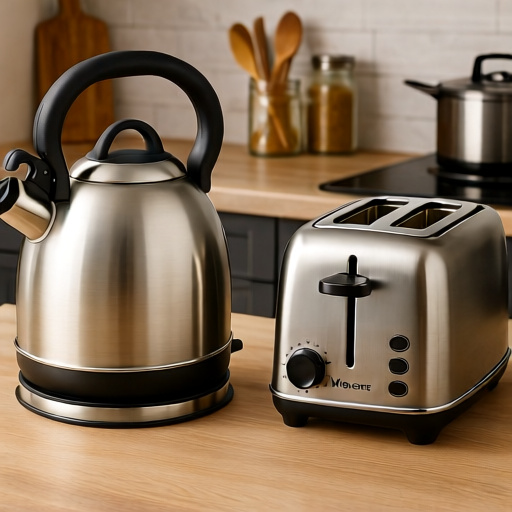
Kettle and toaster sets are everyday appliances, offering convenience for breakfast and tea times. However, like any electrical appliance, they present potential safety hazards if not handled and maintained correctly. Understanding these risks and implementing preventative measures is crucial for ensuring a secure kitchen environment. This section explores key safety considerations associated with kettle and toaster sets, providing practical advice for users.
One of the most significant risks involves electrical hazards. Both kettles and toasters operate with electricity, and faulty wiring or damage can lead to electric shock. Regular inspection of the power cord for any signs of wear and tear is essential. If the cord is frayed, cracked, or damaged in any way, it should be replaced immediately by a qualified electrician. Never use appliances with damaged cords. Additionally, avoid overloading electrical outlets. Connecting too many appliances to a single outlet can cause overheating and potentially a fire. Consider using power strips with surge protection to safeguard against power spikes.
Another critical safety aspect relates to heat. Kettles heat water to boiling temperatures, and toasters heat bread to a high degree. Both can cause severe burns if accidental contact occurs. Always keep kettles and toasters out of reach of young children and pets. Supervise children closely when appliances are in use. Allow appliances to cool down completely before attempting to clean or handle them. The exterior surfaces of these appliances become extremely hot during operation and can cause immediate burns.
Proper placement of the appliances is also important. Position kettles on stable, level surfaces away from the edges of countertops to prevent accidental tipping. Toasters should also be placed on flat, heat-resistant surfaces, away from flammable materials like curtains or paper towels. Ensure there is adequate space around the appliances for ventilation to prevent overheating. Avoid placing them near sinks where they could be accidentally knocked into water.
Regular maintenance contributes significantly to the safe operation of kettle and toaster sets. Kettles should be descaled periodically to remove mineral buildup, which can affect performance and potentially pose a safety risk. Follow the manufacturer's instructions for descaling. Toasters require regular cleaning to remove crumbs, which can accumulate and potentially cause a fire. Empty the crumb tray frequently and ensure it is properly refitted. Never attempt to insert objects into the toaster slots while it is plugged in.
Furthermore, be mindful of water quality when using a kettle. Hard water can lead to increased scale buildup, affecting the appliance's efficiency and lifespan. Consider using filtered water to minimise this. When filling the kettle, ensure not to overfill it beyond the maximum fill line. This can lead to boiling water overflowing and causing burns.
Finally, it's important to adhere to the manufacturer's instructions provided in the appliance's manual. These manuals contain specific safety guidelines and operating instructions tailored to the particular model. Familiarise yourself with these guidelines before using the kettle and toaster set. If you notice any unusual smells, sparks, or other abnormal behaviour, discontinue use immediately and consult a qualified appliance repair technician.
Maintenance and Cleaning: Extending the Lifespan of Your Set
Regular maintenance and cleaning are crucial for ensuring your kettle and toaster set continues to perform optimally and looks its best. Neglecting these tasks can lead to reduced efficiency, shorter lifespan, and even potential safety hazards. Here's a comprehensive guide to keeping your appliances in top condition.
Keeping Your Kettle Sparkling
Mineral build-up, commonly known as limescale, is a frequent issue for kettles, particularly in areas with hard water. This white, chalky deposit can accumulate inside the kettle, affecting its heating efficiency and potentially altering the taste of your water. Consistent descaling is the key to preventing these problems.
Descaling Methods:
- Vinegar Solution: A classic and effective method involves filling the kettle with a 50/50 solution of white vinegar and water. Bring the mixture to a boil, then let it stand for at least an hour. Afterwards, rinse the kettle thoroughly with fresh water several times to remove any vinegar residue.
- Citric Acid: Citric acid is another popular descaling agent. Dissolve 1-2 tablespoons of citric acid in a litre of water and follow a similar boiling and rinsing procedure as with vinegar. Citric acid is often favoured for its more pleasant odour compared to vinegar.
- Commercial Descalers: Several commercial descaling solutions are available specifically for kettles. These often come with specific instructions for use. Always follow the manufacturer's guidelines carefully.
Beyond descaling, regular cleaning of the kettle's exterior is important. Wipe it down with a damp cloth after each use to prevent spills and stains from setting in. Avoid using abrasive cleaners, as these can damage the surface. Consider using a soft cloth or sponge with a mild detergent for more stubborn marks.
Maintaining Your Toaster for Consistent Toasting
Your toaster, while seemingly simpler than a kettle, also benefits from regular upkeep. Crumbs and food debris can accumulate within the toaster, posing a fire risk and affecting its performance.
Cleaning Steps:
- Unplug the Toaster: Always ensure the toaster is unplugged from the power outlet before attempting any cleaning.
- Empty the Crumb Tray: Most toasters have a removable crumb tray at the bottom. Slide this out and empty it into a bin. Wash the tray with warm, soapy water and allow it to dry completely before reinserting.
- Brush the Slots: Use a soft brush or a can of compressed air to gently remove any crumbs or debris lodged in the toasting slots. Avoid using metal objects, as these can damage the internal components.
- Exterior Wipe-Down: Wipe the exterior of the toaster with a damp cloth. For stainless steel models, use a stainless steel cleaner to maintain its shine.
Preventative Measures:
To minimise the need for frequent cleaning, consider using a toaster cover when the toaster is not in use. This helps to contain crumbs and dust. Additionally, avoid toasting items with excessive butter or jam, as these can lead to build-up within the toaster.
General Tips for Longevity
- Read the Manufacturer's Instructions: Always refer to the manufacturer's guidelines for specific cleaning and maintenance recommendations for your particular kettle and toaster set. These instructions often contain crucial information regarding materials and recommended cleaning agents.
- Water Quality: If you live in an area with very hard water, consider using filtered water in your kettle to minimise limescale build-up.
- Avoid Harsh Chemicals: Never use abrasive cleaners, scouring pads, or bleach on either appliance, as these can damage the finish and potentially release harmful chemicals.
- Regular Inspection: Periodically inspect both your kettle and toaster for any signs of damage, such as frayed cords or loose parts. If you notice any issues, discontinue use immediately and contact the manufacturer or a qualified appliance repair technician.
By following these simple maintenance and cleaning practices, you can significantly extend the lifespan of your kettle and toaster set, ensuring years of reliable use.
Top Kettle and Toaster Set Recommendations: Brands and Models
Choosing the right kettle and toaster set can significantly impact your morning routine. A cohesive set offers not only aesthetic appeal but also convenience and often includes features designed to complement each other. This section explores some of the leading brands and specific models currently available, outlining their key features, strengths, and weaknesses to aid your selection.
Dualit
Dualit is a well-respected name in kitchen appliances, known for its robust build quality and longevity. Their kettle and toaster sets are particularly prized for their classic design and high performance. A Dualit kettle typically boasts a powerful heating element, ensuring rapid boiling, while their toasters offer excellent browning control for achieving perfectly toasted bread.
- Dualit KB76 Kettle & TT22 Toaster Set: This set is a popular choice for those seeking a traditional, high-quality appliance. The kettle features a large capacity (1.7 litres) and a sturdy handle, while the toaster offers four slots and variable browning settings. Dualit appliances are known for their durability; they are often built to last for many years with proper care.
- Key Features: Durable stainless steel construction, powerful heating, variable browning control, large kettle capacity.
- Considerations: Dualit appliances are a premium investment.
Smeg
Smeg has gained significant popularity in recent years, lauded for its retro-inspired designs and vibrant colour palettes. Their kettle and toaster sets are a stylish addition to any kitchen, offering a touch of vintage charm combined with modern functionality.
- Smeg KLF03TSUK Kettle & TST45XUK Toaster Set: This set incorporates Smeg's signature rounded design and is available in various colours. The kettle features a 1.7-litre capacity and a convenient lift-off lid, while the toaster offers four slots and various toasting options. Smeg's focus on aesthetics makes them a strong contender for those prioritizing kitchen style.
- Key Features: Retro design, various colour options, four-slice toaster, defrost and reheat functions.
- Considerations: While stylish, some users find the design more focused on aesthetics than ultimate functionality compared to some other brands.
KitchenAid
KitchenAid is a trusted brand for kitchenware, renowned for its quality and versatility. Their kettle and toaster sets often blend seamlessly with their other appliances, creating a coordinated kitchen look.
- KitchenAid KEK1236CG Kettle & KTP338CG Toaster Set: This set offers a sleek, modern design in a range of colours. The kettle features a 1.7-litre capacity and a glass body, allowing you to see the water level. The toaster offers four slots and a range of toasting settings, including a bagel function. KitchenAid's commitment to quality materials ensures a durable product.
- Key Features: Modern design, glass kettle body, bagel function, variable toasting levels.
- Considerations: Some users have noted that the glass kettle body can be prone to fingerprints.
Ninja
Ninja has emerged as a strong contender in the kitchen appliance market, offering a range of innovative and feature-packed products at competitive prices. Their kettle and toaster sets often include smart features and multiple functions.
- Ninja KB500 Kettle & TO301 Toaster Set: This set offers a combination of fast boiling and versatile toasting options. The kettle boasts a 1.7-litre capacity and features Keep Warm technology, while the toaster includes four slots, a wide slot for larger items, and various toast settings. Ninja often incorporates technology aimed at convenience and efficiency.
- Key Features: Fast boiling, Keep Warm function, wide slot, multiple toasting settings, frost-free kettle.
- Considerations: The design might be considered less classic than some other brands.
De'Longhi
De'Longhi is a well-established brand known for its espresso machines and other kitchen appliances. Their kettle and toaster sets often embody a blend of functionality and contemporary design.
- De'Longhi D KD1081.B Kettle & RT3511.BK Toaster Set: This set features a sleek, minimalist design and combines practical features with a modern aesthetic. The kettle has a 1.7-litre capacity and a fast-boiling function, while the toaster offers four slots and a range of browning settings. De'Longhi's appliances frequently incorporate safety features.
- Key Features: Fast boiling, safety shut-off, four-slice toaster, defrost and reheat options.
- Considerations: While stylish, some reviewers feel the build quality isn't quite as robust as some premium brands.
When selecting a kettle and toaster set, consider your budget, kitchen style, and frequently used features. Features like variable browning control, defrost functions, and keep-warm settings can add significant value to your daily routine.
Frequently Asked Questions
- What features should I look for in a kettle and toaster set? Consider features like rapid boil, temperature control, keep warm function, automatic shut-off for the kettle, and browning control, defrost function, and reheat function for the toaster.
- What are the different materials used for kettles? Common kettle materials include stainless steel (durable and corrosion-resistant), glass (offers visibility), and plastic (affordable but look for BPA-free options).
- How many slots should I choose for my toaster? Choose the number of slots based on your household size. Two-slot toasters are suitable for individuals or couples, while larger sets with four slots cater to families.