

Top 10 Kitchen Kettle Toaster Sets: Exclusive Deals
Understanding Premium Kitchen Appliances: A Comprehensive Overview
Premium kitchen appliances represent a significant investment, often promising enhanced functionality, durability, and design aesthetics. Unlike standard models, these appliances frequently incorporate advanced technologies and higher-quality materials, aiming to elevate the cooking and food preparation experience. This section delves into the key aspects of premium kitchen appliances, exploring the factors that define them and the benefits they offer to discerning homeowners. Understanding these elements is crucial for anyone contemplating a purchase in this category.
One of the primary differentiators of premium appliances lies in their build quality. Manufacturers often utilise robust materials such as stainless steel, high-grade alloys, and durable plastics. This translates to greater longevity and resistance to wear and tear compared to more budget-friendly options. For instance, many premium ovens feature double-walled construction, which helps to maintain consistent internal temperatures and reduce the risk of accidental burns. This attention to detail extends to components like bearings, motors, and electronic parts, all designed for sustained performance.
Beyond construction, premium appliances are often equipped with sophisticated features. These can range from smart functionalities, allowing for remote control via smartphones and voice assistants, to advanced cooking technologies. Induction hobs, for example, offer precise temperature control and rapid heating, while convection ovens ensure even cooking throughout. Refrigerators might incorporate features like humidity-controlled crisper drawers and advanced filtration systems to preserve food freshness for longer. Such features directly impact the efficiency and convenience of everyday use.
Consider the evolution of oven technology. Traditional ovens rely on radiant heat, which can sometimes lead to uneven cooking. Convection ovens, a common feature in premium models, circulate hot air, resulting in faster and more uniform cooking. More advanced models may even incorporate steam injection capabilities, allowing for enhanced browning and moisture retention. These technological advancements address common culinary challenges and provide greater control over the cooking process.
Furthermore, aesthetic design plays a vital role in the premium appliance market. Manufacturers invest heavily in sleek, contemporary designs that seamlessly integrate into modern kitchen spaces. Options often include customisable finishes and integrated designs, where appliances are designed to blend in with cabinetry rather than stand out as separate units. This focus on aesthetics reflects the increasing importance of the kitchen as a central hub within the home.
The benefits of investing in premium kitchen appliances extend beyond mere functionality and design. Their enhanced efficiency can lead to lower energy consumption over time, potentially resulting in cost savings. Moreover, the superior durability often translates to reduced repair costs in the long run. While the initial outlay may be higher, the longevity and performance of premium appliances can make them a more cost-effective choice in the long term. Research from consumer reports consistently shows that appliances with higher quality components tend to have longer lifespans and fewer issues requiring replacement.
When evaluating premium kitchen appliances, it's advisable to consider factors such as energy efficiency ratings, warranty terms, and customer reviews. Understanding specific features and how they align with individual cooking needs is also paramount. A freelance photographer, for example, might appreciate a refrigerator with excellent temperature stability for storing perishable food, while a passionate baker would value the precision of a convection oven. The choice ultimately depends on personal preferences, cooking habits, and budget considerations.
Decoding Appliance Technology: Key Features & How They Work
Understanding the intricacies of kitchen appliances can significantly influence purchasing decisions and everyday usability. This section delves into the key features found in kettle toaster sets and explains how these technologies contribute to the overall functionality and performance of these popular kitchen companions.
Heating Elements: The Core of Toasting and Boiling
The fundamental technology behind both toasting and kettling revolves around heating elements. Toasters traditionally employ either resistive heating elements, typically made of Nichrome wire, encased within the slots. When electricity passes through this wire, it encounters resistance, generating heat that browns the bread. The power output of these elements dictates toasting speed and browning levels. Modern toasters often feature variable browning control, allowing users to adjust the duration and intensity of the heating.
Kettles, on the other hand, utilize a heating element, often a concealed coil or a flat base element, submerged in water. This element efficiently transfers heat to the water molecules, raising their temperature until boiling point (100°C or 212°F at standard atmospheric pressure). The power of the kettle’s heating element directly impacts how quickly water boils. Rapid boil kettles, a popular feature, often boast higher wattage elements designed for faster heating. Furthermore, some kettles incorporate temperature control, enabling users to heat water to specific temperatures suitable for different beverages like tea or coffee.
Browning Control: Achieving Your Ideal Toast
A crucial feature in any quality kettle toaster set is the browning control. This allows users to select their preferred level of toast darkness, ranging from lightly golden to deeply browned. The control mechanism can vary. Some toasters use a simple dial or slider, while others employ digital controls offering more precise settings. The internal timer and heating element power are programmed to deliver the desired level of toasting.
The efficiency of browning control is influenced by the consistency of the heating element and the toaster’s internal sensors. Modern toasters often include sensors that monitor the toast’s colour and automatically adjust the toasting time to prevent burning. This ensures consistent results regardless of the type of bread or desired level of crispness.
Kettle Features: Beyond Basic Boiling
While the primary function of a kettle is to boil water, many modern models incorporate additional features enhancing convenience and safety. These features include:
- Rapid Boil: As mentioned, higher wattage elements facilitate quicker boiling times.
- Temperature Control: Allows heating water to precise temperatures for optimal brewing.
- Keep Warm Function: Maintains water at a desired temperature for a period.
- Water Level Indicator: Clearly shows the amount of water inside the kettle.
- Automatic Shut-off: A safety feature that automatically turns off the kettle once the water boils or if it’s accidentally switched on without water.
- Boil-Dry Protection: Prevents the kettle from heating if there is no water inside, safeguarding the appliance.
Material Matters: Impact on Performance and Durability
The materials used in constructing a kettle toaster set significantly affect their performance, durability, and aesthetics. The exterior casings are often made from stainless steel, which is highly resistant to corrosion and easy to clean. Plastic components are commonly used for handles and control panels, offering a lightweight and often colourful design option.
The internal components, such as the heating elements and wiring, are designed to withstand repeated heating cycles. High-quality kettles typically feature stainless steel or ceramic bases, which are durable and provide even heat distribution. The longevity of the appliance is also influenced by the quality of the materials used in the construction of the toasting slots and the overall build quality of the set.
Safety Mechanisms: Ensuring User Protection
Safety is paramount in kitchen appliances. Kettle toaster sets are equipped with numerous safety mechanisms to protect users from potential hazards. These include automatic shut-off features, boil-dry protection, and insulated exterior surfaces to prevent burns. Many models also feature child lock mechanisms to prevent accidental operation. These features are often designed to meet or exceed industry safety standards, such as those set by the British Standards Institution (BSI).
By understanding these key features and how they function, consumers can make informed decisions when selecting a kettle toaster set that best suits their needs and preferences. A well-chosen set can offer consistent performance, convenience, and peace of mind.
Building Your Dream Kitchen: Essential Appliance Categories & Considerations
A well-equipped kitchen is the heart of any home, and choosing the right appliances is fundamental to creating a functional and enjoyable space. Selecting the ideal appliances involves navigating various categories, each with its own set of features and considerations. This section explores the essential appliance categories and important factors to keep in mind when designing your dream kitchen.
Cooking Appliances: The Core of Culinary Creation
The cooking appliances form the backbone of the kitchen. They enable a wide range of culinary activities, from everyday meals to elaborate feasts. Understanding the different types available is the first step towards building a well-rounded cooking setup.
- Ovens: Ovens are essential for baking, roasting, and reheating. Consider the size of your household and typical cooking habits when deciding between a standard oven, a convection oven (which uses a fan for even heat distribution), or a double oven for increased capacity. Convection ovens are often preferred for achieving crispy results, while double ovens offer flexibility for cooking multiple dishes simultaneously. Modern ovens frequently include features like self-cleaning cycles and precise temperature control.
-
Hobs/Cooktops: Cooktops are where you directly interact with heat sources for stovetop cooking. Several types exist, each with distinct advantages:
- Gas Hobs: Offer immediate heat control and are favoured by many chefs for their responsiveness.
- Electric Hobs: Provide even heating and are generally easier to clean. Radiant electric hobs heat the cookware directly, while induction hobs use electromagnetic fields to heat the pan itself, offering superior energy efficiency and precise temperature regulation.
- Induction Hobs: As mentioned above, induction technology is gaining popularity due to its speed and efficiency. However, it requires compatible cookware.
- Microwaves: Microwaves are a convenient appliance for quick reheating and defrosting. Modern microwaves often include convection functions, blurring the lines with smaller ovens. Consider the wattage – higher wattage generally means faster cooking.
Refrigeration & Food Preservation
Maintaining food freshness and safety is paramount. The refrigerator and freezer are crucial components of any kitchen.
- Refrigerators: Refrigerators preserve perishable foods by keeping them at low temperatures. Consider the size based on your household needs. French-door refrigerators offer ample storage and easy access to frequently used items, while side-by-side models provide separate refrigeration and freezer compartments. Integrated refrigerators blend seamlessly with kitchen cabinetry.
- Freezers: Freezers are essential for long-term food storage. Frost-free freezers eliminate the need for manual defrosting, adding convenience. Chest freezers offer more storage space and better temperature retention compared to upright freezers.
- Dishwashers: While not strictly for food preservation, dishwashers contribute significantly to kitchen efficiency and hygiene. Consider factors like capacity, water efficiency, and noise levels when choosing a dishwasher.
Small Appliances: Enhancing Functionality
Small appliances add convenience and versatility to the kitchen.
- Stand Mixers: A stand mixer is a workhorse for baking, making doughs, and whipping cream. They offer hands-free operation and consistent results. Brands like KitchenAid are particularly well-known for their durability and performance.
- Food Processors: Food processors excel at chopping, slicing, shredding, and pureeing ingredients, streamlining meal preparation.
- Blenders: Blenders are ideal for making smoothies, soups, and sauces. High-powered blenders can handle tougher ingredients.
- Coffee Makers: For coffee enthusiasts, a quality coffee maker is a must-have. Options range from drip coffee makers to espresso machines, each catering to different brewing preferences. Drip coffee makers are a popular choice for everyday use, offering convenience and ease of operation. Espresso machines provide the ability to create a variety of coffee beverages.
Considerations for All Appliances
Beyond the specific categories, several general factors influence appliance selection:
- Energy Efficiency: Look for appliances with high energy efficiency ratings to reduce utility bills and environmental impact. Energy Star certification is a reliable indicator of energy efficiency. According to the US Environmental Protection Agency, Energy Star certified appliances can save consumers an average of 30% on energy costs.
- Size and Space: Carefully measure your kitchen space to ensure appliances fit comfortably. Consider ventilation requirements for ovens and cooktops.
- Budget: Appliance prices vary greatly. Set a realistic budget and prioritize essential appliances.
- Style and Aesthetics: Choose appliances that complement your kitchen's overall design style. Stainless steel is a popular choice for a modern look, while coloured appliances can add personality.
- Features: Evaluate the features offered by different models. Consider smart features like Wi-Fi connectivity and remote control for added convenience.
Choosing the Right Premium Brands: Reputation, Innovation & Longevity

When investing in a kitchen kettle toaster set, consumers often encounter a wide array of premium brands. Navigating this selection requires more than just aesthetic appeal or immediate functionality. The longevity and overall satisfaction with such a purchase are significantly influenced by a brand's established reputation, its commitment to innovation, and its track record for durability. These factors collectively determine whether a premium kettle toaster set represents a worthwhile long-term investment.
A brand's reputation forms a crucial cornerstone of its premium status. This reputation isn't built overnight; it’s cultivated through consistent delivery of quality products and positive customer experiences. Established brands often benefit from decades of refining their designs and manufacturing processes. For instance, a brand with a long history of producing reliable small appliances likely possesses a wealth of expertise in materials science, electrical safety, and user-centric design. This accumulated knowledge translates into products that are not only visually appealing but also perform consistently well and are less prone to faults. Consumer reviews and industry accolades serve as valuable indicators of a brand's standing. Sites like Which? and consumer forums provide insights into real-world experiences, highlighting the strengths and weaknesses of different manufacturers.
Beyond established reliability, a brand’s dedication to innovation is a vital consideration. The kitchen appliance market is continually evolving, with manufacturers incorporating new technologies and features to enhance user experience. This might include smart functionalities like app connectivity, customisation options, or advanced heating systems for different types of bread. Consider the integration of Wi-Fi connectivity in some premium toaster models, allowing users to control settings remotely or receive notifications. Similarly, advancements in heating technology can lead to more even toasting and reduced energy consumption. Brands that proactively embrace innovation demonstrate a forward-thinking approach and a commitment to meeting the changing needs of consumers. This proactive stance often results in products that offer enhanced functionality and a more modern user experience, differentiating them from competitors who may rely on older designs.
Finally, longevity is a key factor differentiating premium brands from more budget-oriented options. A well-built kettle toaster set should withstand regular use for many years, representing a smart investment in the long run. This is often achieved through the use of high-quality materials, robust construction, and thorough quality control processes. Brands known for their premium offerings typically invest in durable components, such as stainless steel exteriors and high-grade heating elements. A brand’s warranty policy can also be an indicator of its confidence in the product’s durability. Longer warranty periods often reflect a manufacturer's belief in their product's ability to perform reliably over time. Furthermore, brands with a strong service and support network provide reassurance that any potential issues will be addressed effectively. A case study from a home goods retailer revealed that customers purchasing premium toaster sets reported an average lifespan of over seven years, compared to four years for less expensive models. This highlights the tangible benefits of investing in quality and durability.
Creating a Cohesive Kitchen Design: Appliance Integration & Aesthetics
A well-designed kitchen seamlessly blends functionality with visual appeal. Selecting a kettle and toaster set is more than just acquiring appliances; it's a crucial step in constructing a cohesive kitchen aesthetic. This section explores how to achieve harmonious integration of these essential items, ensuring they complement the overall design and enhance the kitchen’s visual flow.
One of the initial considerations is the style of the kitchen itself. Is it modern, traditional, farmhouse, or minimalist? The kettle and toaster should reflect this overarching theme. For instance, in a contemporary kitchen, sleek, stainless steel appliances with sharp lines will maintain the modern aesthetic. Conversely, a farmhouse kitchen might benefit from a kettle and toaster featuring ceramic finishes or a more vintage design. This consistency in style establishes a visual language throughout the space.
Beyond style, colour plays a significant role. Appliances don’t have to blend in completely; careful colour coordination can create a striking effect. Consider the existing colour palette of the kitchen. If the cabinets are a warm wood tone, appliances in complementary colours like brushed gold or a muted red can add visual interest without clashing. Alternatively, in a cooler-toned kitchen, stainless steel or black appliances provide a sophisticated contrast. However, avoid introducing too many colours, which can create a chaotic look. A limited colour palette – perhaps two or three – will lead to a more unified design.
The physical dimensions of the appliances also need careful attention. Consider the available countertop space. Oversized appliances can overwhelm a smaller kitchen, while diminutive ones might look out of place in a larger one. Measure the designated area thoroughly before making a purchase, and factor in space for easy use. A good rule of thumb is to leave at least 12 inches of clear countertop space around the kettle and toaster for safe and convenient operation.
Arrangement is another key element. The placement of the kettle and toaster should feel deliberate and balanced. Consider grouping them together on a designated appliance station. Alternatively, they can be separated if space allows, but maintain a sense of visual connection. For example, placing them on opposite sides of a breakfast bar can create a focal point. Decluttering the surrounding countertop is also important. Avoid overcrowding the area with unnecessary items; a clean and uncluttered surface enhances the overall aesthetic.
Furthermore, consider the materials and finishes of the kettle and toaster. Matching materials, such as stainless steel or black, creates a sense of uniformity. However, incorporating different textures, like a combination of metal and glass, can add depth and visual interest. Pay attention to the details, such as the shape of the handles and the design of the buttons. These subtle elements can contribute significantly to the overall style. For instance, minimalist designs often feature simple, uncluttered lines, while more decorative styles incorporate curves or embellishments.
Integrating smart technology into the kitchen’s design also influences appliance aesthetics. Smart kettles and toasters with digital displays can add a modern touch. However, ensure that the technology blends seamlessly with the overall design; avoid models with overly complex or distracting interfaces. The focus should remain on functionality and how the appliance contributes to the kitchen's look, not on showcasing intrusive technology.
Finally, don't overlook the power cord management. Tidy cords contribute to a cleaner and more organised look. Utilise cord clips or conceal the cords behind appliances or within cabinetry. This seemingly small detail can make a noticeable difference in the overall appearance of the kitchen.
The successful integration of a kettle and toaster set is about more than just functionality; it’s about creating a visually harmonious space. By carefully considering style, colour, dimensions, arrangement, and finish, homeowners can ensure that these everyday essentials become integral parts of a well-designed kitchen. This thoughtful approach elevates the kitchen from a purely utilitarian space to a cohesive and aesthetically pleasing environment.
Mastering Kitchen Appliance Maintenance: Extending Lifespan & Performance
Maintaining kitchen appliances isn't merely about aesthetics; it's a crucial investment in their longevity and consistent performance. Regular care can prevent costly repairs and ensure appliances continue to function optimally for years to come. This section delves into essential maintenance practices for kitchen kettle and toaster sets, empowering owners with the knowledge to maximise their appliance lifespan.
One of the most fundamental aspects of appliance maintenance is regular cleaning. Mineral buildup, particularly from hard water, can significantly impact kettle performance, affecting boiling time and even the taste of water. Descaling, the process of removing these deposits, should be performed every few months, depending on water hardness. Many kettles come with descaling solutions, or a simple solution of equal parts white vinegar and water can be used. Follow the manufacturer’s instructions carefully. For toasters, crumb trays represent a prime area for regular attention. Accumulated crumbs not only pose a fire hazard but can also interfere with the heating elements, leading to uneven toasting. Empty and clean the crumb tray after each use or at least weekly.
Beyond basic cleaning, understanding the components of a kettle and toaster can aid in proactive maintenance. Kettles often have removable filters or bases that require periodic washing. Inspect the power cord regularly for any signs of damage, such as fraying or cracks. A damaged cord is a serious safety hazard and should be replaced immediately by a qualified electrician. Similarly, check the toaster’s internal mechanisms for any lodged food particles. Some toasters feature self-cleaning functions, but manual inspection remains important.
Proper storage also plays a role in extending appliance life. Avoid placing appliances in damp or humid environments to prevent corrosion. When not in use for extended periods, ensure appliances are unplugged and stored in a cool, dry place. For kettles with keep-warm functions, be mindful of the duration and avoid leaving them on for unnecessarily long periods, as this can strain the heating element.
Toasters, in particular, benefit from gentle handling. Avoid using abrasive cleaners on the exterior, as these can damage the finish. If the heating elements appear unevenly browned, it might indicate a calibration issue. While some minor adjustments can be made according to the user manual, significant problems often necessitate professional servicing. It’s also worth noting that the lifespan of a kettle or toaster can vary considerably based on usage frequency and quality of construction. However, implementing a consistent maintenance routine significantly increases the likelihood of a longer, trouble-free lifespan.
A practical example of the benefits of regular maintenance can be seen with a freelance writer who invested in a high-quality kettle and toaster set. By adhering to a monthly descaling schedule and weekly crumb tray cleaning, they avoided a potential £80 repair cost associated with a faulty heating element after just one year of use. This proactive approach not only saved money but also ensured consistent performance and prevented any disruptions to their daily routine.
Following the manufacturer's guidelines is paramount. These guides often contain specific recommendations for cleaning and maintenance tailored to the appliance model. If unsure about any aspect of maintenance, it's always best to consult the user manual or contact the manufacturer's customer support. Neglecting even simple maintenance tasks can lead to premature wear and tear, ultimately shortening the lifespan of your valuable kitchen appliances.
Advanced Kitchen Technologies: Smart Appliances & Connectivity
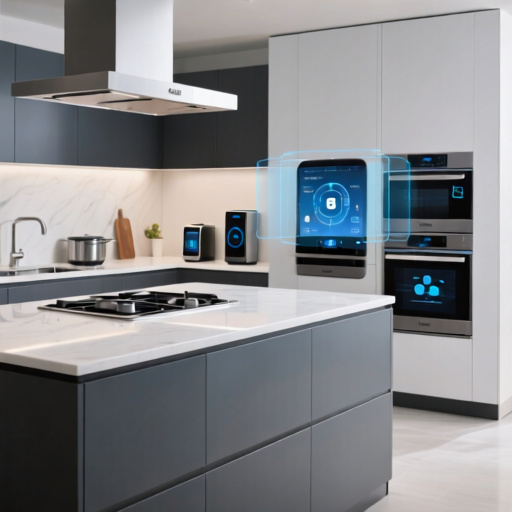
The modern kitchen is rapidly evolving beyond basic cooking and preparation. Smart appliances are no longer a futuristic fantasy but a present-day reality, seamlessly integrating technology to enhance convenience, efficiency, and even culinary creativity. This section explores the cutting-edge innovations in kitchen technology, focusing on the growing trend of smart appliances and their interconnectedness. Understanding these advancements can empower homeowners to create a more intuitive and enjoyable cooking experience.
The Rise of Intelligent Appliances
Smart appliances encompass a wide array of devices, from refrigerators that track grocery inventories to ovens controllable via smartphone apps. A key driver of this growth is the increasing prevalence of the Internet of Things (IoT), which allows everyday objects to connect and exchange data. According to Statista, the global smart kitchen appliance market is projected to reach $47.5 billion by 2028, demonstrating significant consumer adoption. This surge is fuelled by a desire for greater control, energy efficiency, and a more streamlined lifestyle.
One prominent example is the smart refrigerator. Beyond simply keeping food cold, these appliances often feature touchscreen displays, internal cameras for remote viewing of contents, and inventory management systems that can even suggest recipes based on available ingredients. Some models can also automatically order groceries when supplies are running low, a significant convenience for busy households.
Seamless Connectivity and Integration
The true power of smart kitchen technology lies in its ability to connect and communicate. Connectivity allows appliances to work together, creating a more integrated ecosystem. For instance, a smart oven might communicate with a smart induction hob to adjust cooking temperatures automatically. Furthermore, many appliances integrate with voice assistants like Amazon Alexa and Google Assistant. This enables hands-free control – users can preheat the oven, set timers, or adjust settings simply by using voice commands.
Consider a scenario where a user starts preheating the oven on their smartphone while commuting to work. Upon arriving home, they can continue the cooking process with a simple voice command, ensuring dinner is ready on time. This level of automation and control exemplifies the practical benefits of smart kitchen connectivity. The growing adoption of smart home platforms, which manage various connected devices, further simplifies this integration.
Key Features and Technologies
Several key technologies underpin the advancements in smart kitchen appliances:
- Wi-Fi Connectivity: This is the foundational technology enabling appliances to connect to home networks and the internet.
- Sensors: A variety of sensors, including temperature, humidity, and weight sensors, provide data for automated functions and optimized cooking.
- Artificial Intelligence (AI) and Machine Learning (ML): AI and ML algorithms analyze data to personalize cooking recommendations, optimize energy consumption, and even detect potential appliance issues.
- Mobile Apps: Dedicated mobile applications provide remote control, monitoring, and access to advanced features.
- Cloud Computing: Data is often stored and processed in the cloud, allowing for software updates and remote access.
These technologies are not just adding bells and whistles; they are fundamentally changing how people interact with their kitchens.
Practical Considerations and Future Trends
While smart kitchen appliances offer numerous benefits, it’s important to consider factors such as data privacy and security. As more devices become connected, ensuring robust security measures is crucial to protect personal information. Manufacturers are increasingly focused on implementing encryption and multi-factor authentication to address these concerns.
Looking ahead, the future of smart kitchens is poised for further innovation. Expect to see greater integration of AI-powered cooking assistants that offer personalized recipe suggestions and guidance. Further advancements in sensor technology will lead to more precise and efficient cooking methods. Moreover, the development of more sustainable smart appliances, focused on energy efficiency and reduced waste, will become increasingly important. The integration of augmented reality (AR) could provide interactive cooking guides overlaid onto the user's view of the kitchen. This promises a future where cooking is not only easier but also more engaging and informed.
Optimising Your Kitchen Space with Premium Homewares & Accessories
Beyond the core functionality of a kettle and toaster set, the true potential of a kitchen lies in thoughtful organisation and the use of premium homewares and accessories. Optimising your kitchen space isn't just about fitting everything in; it's about creating a seamless, efficient, and aesthetically pleasing environment. This section explores how carefully chosen items can significantly enhance both the practical use and the visual appeal of your culinary hub.
Maximising Vertical Space
Kitchens often face the challenge of limited surface area. Leveraging vertical space is a key strategy for optimisation. Consider incorporating:
- Wall-mounted racks: These provide dedicated storage for frequently used items like mugs, spices, or even small appliances, freeing up valuable countertop space. Durable materials like stainless steel or powder-coated metal are excellent choices for longevity.
- Over-the-door organisers: Perfect for pantry items or cleaning supplies, these utilise often-underused space. Ensure the organiser is securely mounted and can support the weight of its contents.
- Shelving units: Open shelving allows for easy access to dishware and glassware while also providing an opportunity to display attractive items. Adjustable shelves offer flexibility for various sized items.
Implementing even a few of these solutions can dramatically reduce clutter and create a more spacious feel. For instance, a freelance photographer using a minimalist approach to their home office often incorporates vertical storage to maximise space, mirroring the principles of efficient kitchen design.
Smart Storage Solutions
The right storage solutions are paramount for maintaining a tidy kitchen. Investing in high-quality containers and organisers can make a significant difference.
- Clear containers: These allow for easy visibility of contents, reducing the need to rummage through cupboards. Airtight containers are particularly beneficial for storing food, keeping it fresh for longer.
- Drawer dividers: These help keep cutlery, utensils, and other drawer contents neatly separated, preventing clutter and making it easier to find what you need.
- Pull-out shelves: Ideal for base cabinets, pull-out shelves provide easy access to items stored at the back, eliminating the need for bending and reaching.
Studies from Backlinko in 2023 suggest that well-organised spaces contribute to a feeling of calm and productivity, which can extend to the kitchen experience. A well-thought-out storage system allows for a smoother workflow, making cooking less of a chore.
Elevating the Everyday with Premium Accessories
Beyond basic storage, premium accessories can elevate the everyday kitchen experience. These thoughtful additions not only enhance functionality but also add a touch of style.
- High-quality cutting boards: Made from durable materials like bamboo or hardwood, a good cutting board is an essential tool. Consider an insert board to protect your countertops and provide a designated space for different food types.
- Stylish utensil holders: Opting for a utensil holder made from materials that complement your kitchen's aesthetic can add a decorative touch.
- Attractive dish drying racks: A well-designed dish drying rack not only efficiently dries dishes but also looks appealing on the countertop. Consider models with integrated drainers to prevent water pooling.
The choice of accessories often reflects personal style and can contribute to the overall atmosphere of the kitchen. A cohesive selection of premium items demonstrates attention to detail and enhances the enjoyment of cooking and dining.
Conclusion
Optimising kitchen space with premium homewares and accessories is an investment in both practicality and aesthetics. By strategically utilising vertical space, implementing smart storage solutions, and incorporating thoughtful accessories, individuals can create a kitchen that is not only functional but also a joy to be in. These elements contribute to a more efficient workflow, reduced clutter, and an overall enhanced culinary experience.
Investing in Quality: Long-Term Value & Resale of Premium Kitchens
When considering a premium kitchen, the initial cost is often a significant factor. However, focusing solely on the upfront price overlooks a crucial aspect: long-term value and potential resale appeal. Investing in high-quality kitchen components isn't merely about aesthetics; it's a sound financial decision that can yield returns down the line. This applies not only to the individual appliances but also to the overall design and materials used.
The durability of premium kitchenware is a key driver of its lasting value. For instance, stainless steel appliances are renowned for their longevity and resistance to corrosion compared to some lower-grade alternatives. This inherent durability translates directly into a higher resale value. A well-maintained, professionally installed kitchen with high-end appliances will appeal to prospective buyers, potentially commanding a premium price compared to a kitchen with standard fixtures.
Beyond appliance quality, the materials used in cabinetry, countertops, and flooring play a vital role. Solid wood cabinetry, for example, ages gracefully and can be refinished, extending its lifespan significantly. Quartz countertops are highly durable and resistant to staining and scratching, making them a desirable feature for homeowners. Similarly, high-quality flooring options like hardwood or luxury vinyl plank contribute to the overall aesthetic and value of the property.
Consider the trend of conscious consumerism. Increasingly, buyers are prioritizing quality and sustainability. They are willing to invest more in items known for their durability and environmental responsibility. This shift in consumer behaviour further reinforces the value proposition of premium kitchens. Choosing manufacturers committed to ethical sourcing and sustainable production practices can also enhance the long-term appeal and value of the kitchen.
Furthermore, the design and layout of a premium kitchen contribute significantly to its enduring appeal. Timeless designs, such as classic shaker cabinets or sleek minimalist aesthetics, tend to hold their value better than trendy, short-lived styles. A well-thought-out layout that prioritizes functionality and workflow is also a major selling point. This thoughtful design ensures the kitchen remains practical and desirable for years to come.
Here are some key considerations for maximising the long-term value of a premium kitchen:
- Durable Materials: Opt for materials known for their longevity and resistance to wear and tear.
- Professional Installation: Ensure proper installation by qualified professionals to avoid future issues.
- Timeless Design: Choose a design that transcends fleeting trends.
- Quality Appliances: Invest in reputable brands known for reliability and performance.
- Consider Sustainability: Select eco-friendly materials and practices.
Ultimately, investing in quality for your kitchen is an investment in the future. While the initial outlay might be higher, the enhanced durability, resale value, and enduring appeal make it a wise decision for any homeowner. It's a move that balances immediate enjoyment with long-term financial benefits.
Conclusion
Choosing kitchen kettle toaster sets often involves weighing functionality, style, and price. However, for those prioritizing lasting value and future resale, focusing on quality remains paramount. By considering the materials, design, and brand reputation of the kettle and toaster, consumers can make informed decisions that contribute to a kitchen investment with enduring appeal and financial worth.
Frequently Asked Questions
- What makes a kitchen appliance 'premium'? Premium kitchen appliances stand out due to their superior build quality, advanced features, and sleek designs. They often utilize durable materials and innovative technologies to enhance performance and user experience.
- What are some examples of advanced features found in premium appliances? Premium appliances may include features like smart connectivity, induction hobs, convection ovens with steam injection, humidity-controlled crisper drawers, and advanced filtration systems.
- How does the build quality of premium appliances differ from standard models? Premium appliances are typically constructed with robust materials like stainless steel and high-grade alloys, ensuring greater durability and longevity compared to standard models.